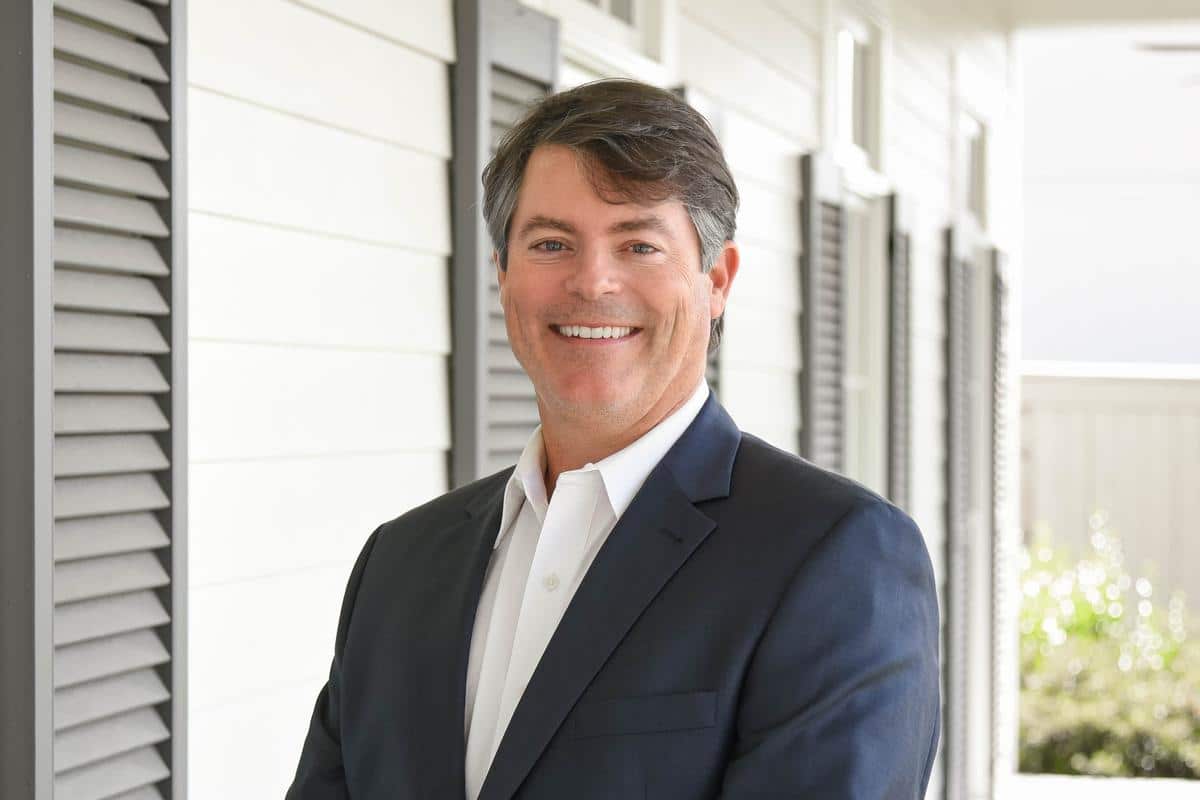
meet dr. Lane Eddleman
your monroe, Louisiana dentist
our dental services
family and cosmetic dentistry in monroe, lA
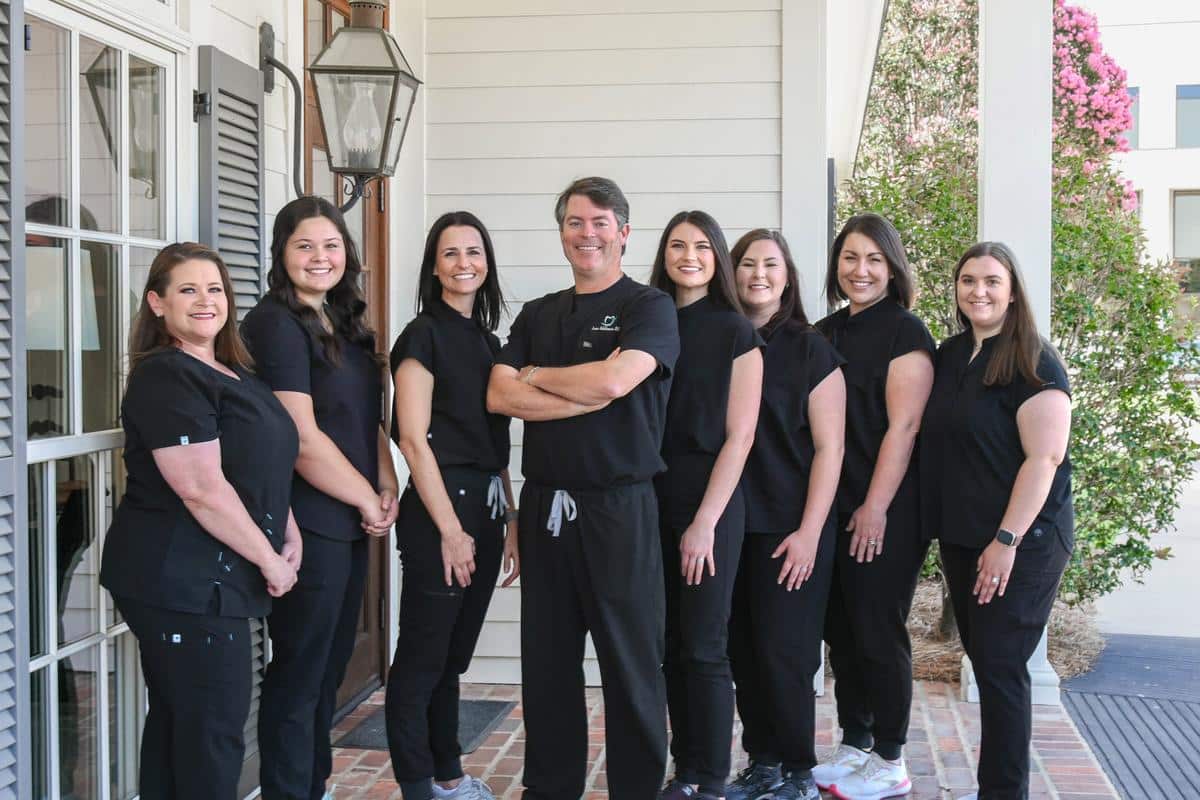
Eddleman Dental is a family and cosmetic dentistry clinic that has been proudly serving northeast Louisiana for more than 19 years. Nestled in the charming town of Monroe, we are grateful you have chosen us as your dental health care home. Since 2004, Dr. Eddleman has had the privilege of serving the wonderful community of Monroe and provide a comprehensive array of dental services catering to patients of all age groups.


expert cosmetic dentistry services
get the smile you’ve always dreamed of



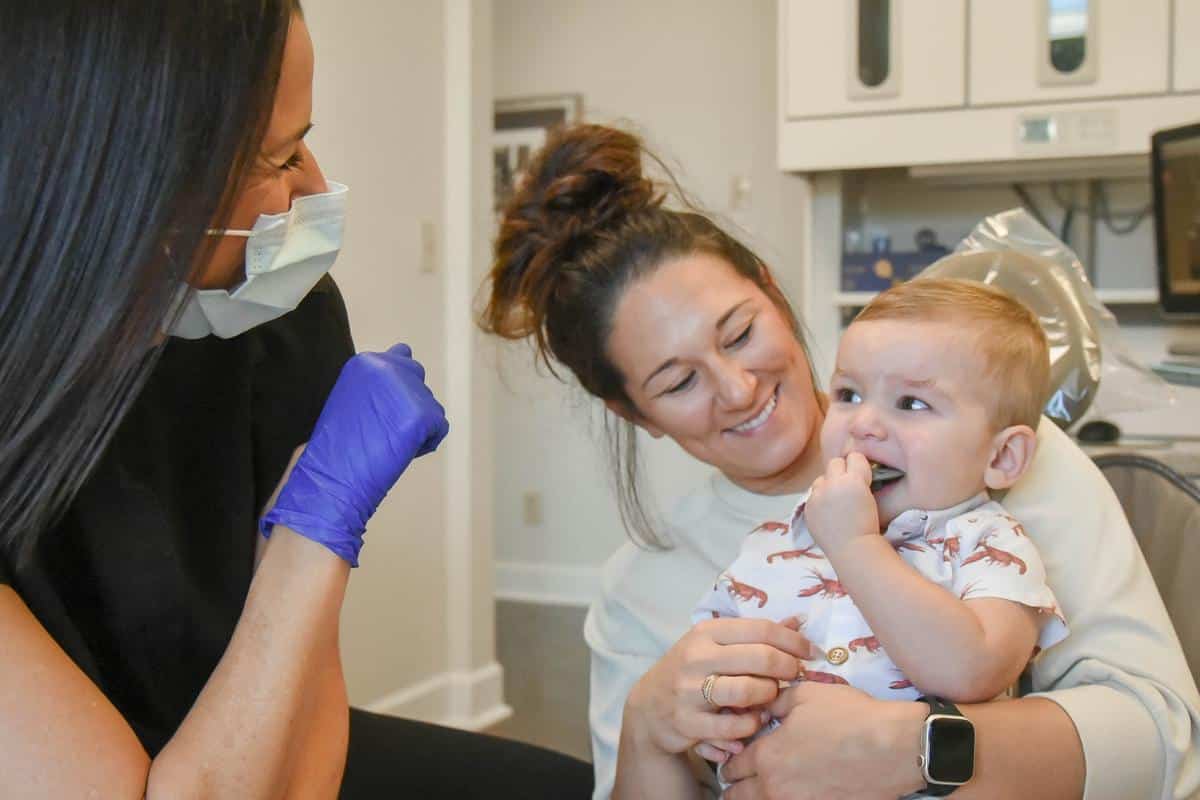



Struggling with Sleep Apnea? We Can Help!
Tired of restless nights and constant fatigue? Eddleman Dental offers comfortable, non-invasive solutions to help you breathe easier and sleep better—without a CPAP! We are proud to offer custom oral appliances and quiet, easy-to-use treatments to help you wake up feeling refreshed and energized. Take the first step toward better sleep today and schedule a consultation!
rave reviews
5-Star Testimonials From Real Patients

Hands down best
dentist office!
“If you are looking for perfection, hospitality and quality dental work, this is the dental office for you! They take care of all ages and are very good at educating patients.”
Excellent cosmetic dentist!
“Vast knowledge of current dental techniques. I work in the dental field and choose Dr. Eddleman for precise long lasting dental treatment. Staff is kind. I always feel welcome when I have any dental needs!”
Dr. Eddleman is the absolute best dentist!
“He explains the procedures very well, uses the most modern up-to-date technology. The quality of his work and the quality of the materials used speaks volumes when I smile.”
rave reviews
5-Star Testimonials From Real Patients
Hands down best
dentist office!
“If you are looking for perfection, hospitality and quality dental work, this is the dental office for you! They take care of all ages and are very good at educating patients.”
Excellent cosmetic dentist!
“Vast knowledge of current dental techniques. I work in the dental field and choose Dr. Eddleman for precise long lasting dental treatment. Staff is kind. I always feel welcome when I have any dental needs!”
Dr. Eddleman is the absolute best dentist!
“He explains the procedures very well, uses the most modern up-to-date technology. The quality of his work and the quality of the materials used speaks volumes when I smile.”
Periodontal Care in Monroe, LA
Our Expert Periodontal Disease Therapy
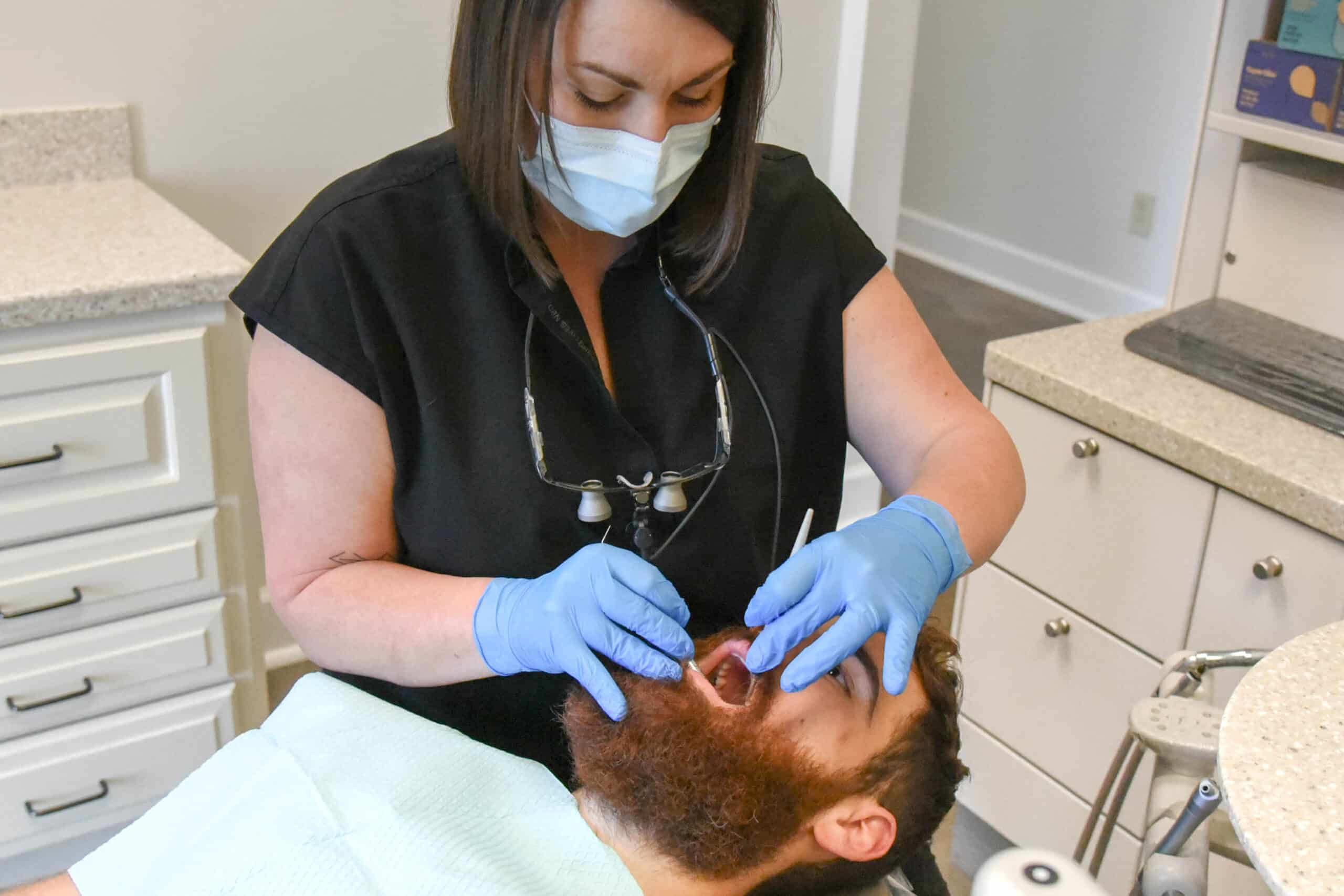
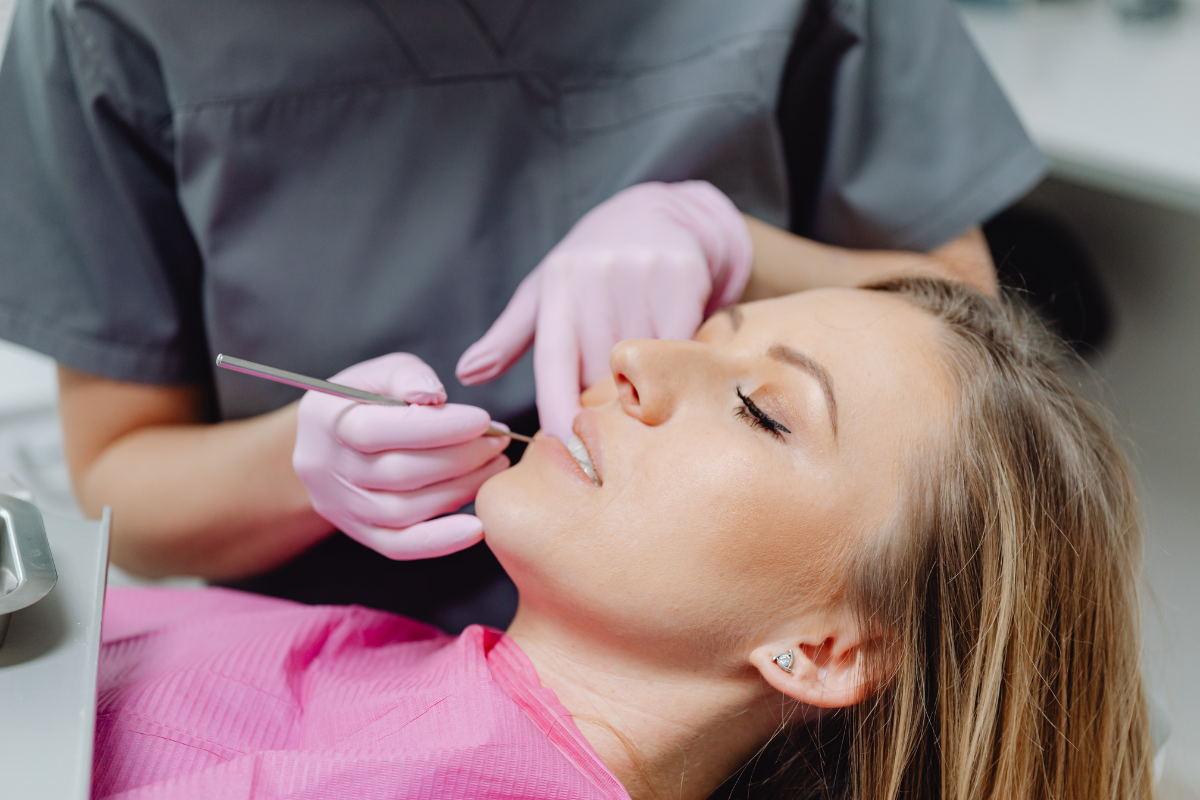
The CDC reports that nearly 50% of adults aged 30 and older exhibit signs of periodontal disease, also referred to as gum disease. This inflammatory condition affects the gums, and if untreated, periodontal disease can result in significant oral health problems, including tooth loss. If you are looking for expert periodontal care in Monroe, LA, the Eddleman Dental team is ready to assist you. We take gum disease seriously and offer outstanding, comprehensive periodontal therapy for periodontal disease to help you maintain healthy teeth and gums.
read our blog
stay up to date on dental news
Read our blog to stay up to date on oral health, dental well-being and Eddleman Dental news. The informative content is here to educate readers and provide valuable insights into the latest advancements in dentistry, oral hygiene tips and practical advice for maintaining a healthy smile.

Request An Appointment
With Eddleman Dental
visit us
Monday – Thursday
8:20 a.m. – 4:45 p.m.
